You Don’t Have to Carry This Alone
Compassionate counseling for the emotional weight of infertility, pregnancy loss, and the wider reproductive health journey.
Infertility, miscarriage, difficult pregnancies, and reproductive health diagnoses carry an emotional toll that is too often overlooked. Grief, shame, anxiety, marital strain, and isolation are common companions on this journey, yet conversations about the medical side of reproductive health rarely make room for the emotional side. Our founders lived this reality for eleven years before their own child was born, and they built this program because they know that expert medical support alone is not always enough. People need somewhere to put the feelings too.
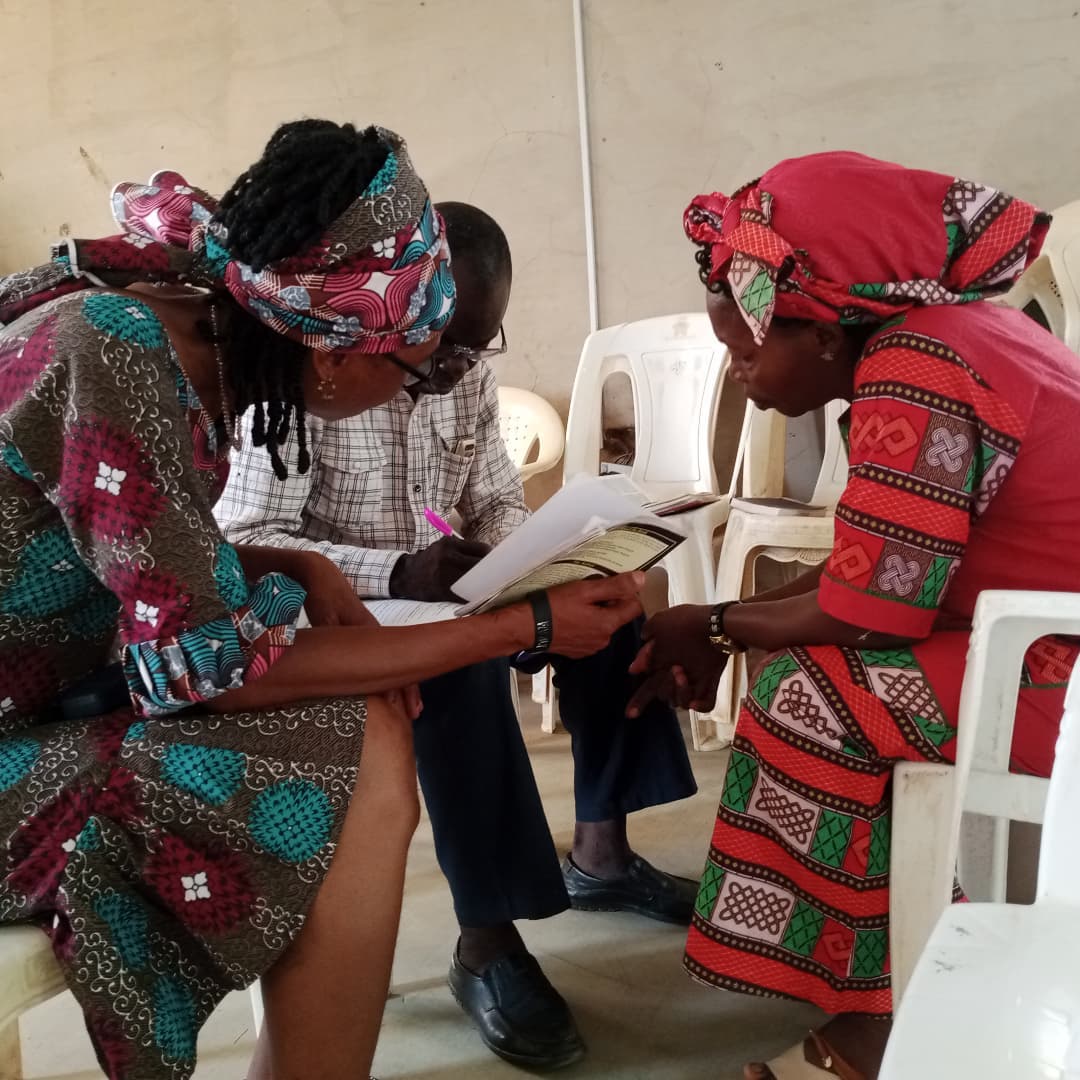
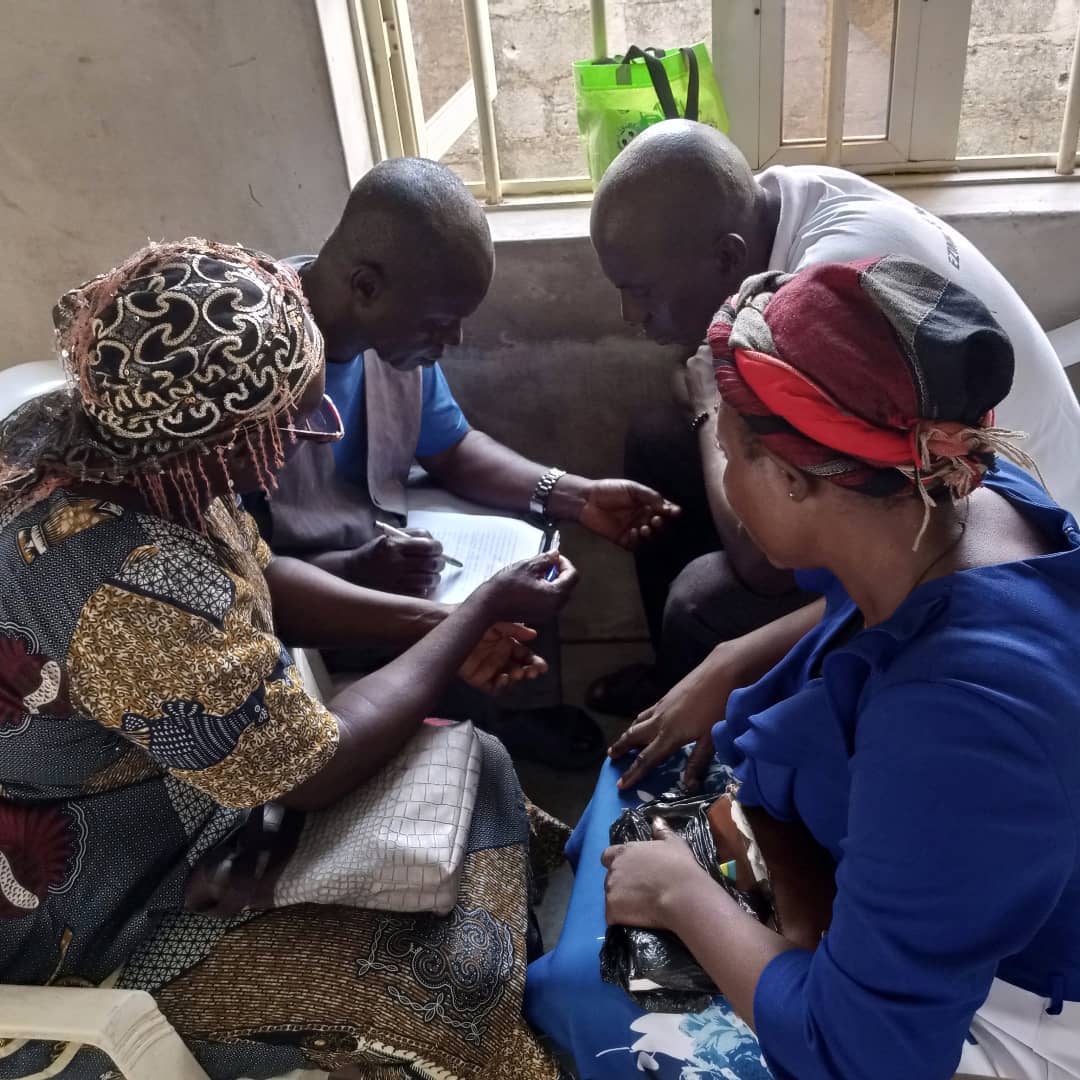
Unaddressed emotional distress does not stay contained. It can strain relationships, discourage people from continuing treatment, and, in severe cases, contribute to depression and anxiety. Because infertility and pregnancy loss remain heavily stigmatized in many Nigerian communities, many people suffer in silence, reluctant to speak with family or friends for fear of judgment. Confidential, culturally sensitive counseling gives people a safe space to process what they’re going through and make decisions from a place of clarity rather than panic.
Individuals and couples facing infertility, women who have experienced pregnancy or infant loss, people newly diagnosed with a reproductive health condition, and family members supporting a loved one through this journey.
It’s okay to ask for support.
We cover the complete biological picture of how fertility works. You'll learn:
The goal? You'll understand your body well enough to make informed decisions and recognize when professional help is needed.
No, there's an important difference. Natural family planning is about preventing pregnancy by tracking cycles. Fertility awareness education is about understanding your reproductive health so you can optimize your chances of conception or understand barriers to it.
We teach you the science, not a method. Whether you use that knowledge to prevent or achieve pregnancy is your choice.
First consultation: Typically 60 minutes. We go deep your medical history, current situation, concerns, goals.
Follow-up sessions: 30-45 minutes, depending on what you need.
If you want to attend a group workshop instead of one-on-one, those are usually 2-3 hours and cover foundational knowledge for multiple couples at once.
Absolutely, and we encourage it. Many couples have different understandings of how fertility works. When you both learn together, you're on the same page and can make decisions as a team.
If your partner can't attend, we're happy to work with you alone. But couples who come together tend to have better outcomes because they're making informed decisions together.
That's exactly what we prepare you for. At the end of your education session, we'll:
Education is step one. If you need step two, we'll guide you there.
Need Help?
09131448145
A CAC-registered Nigerian nonprofit (CAC/IT 155823) improving reproductive health, fertility awareness, and maternal wellbeing for families across Nigeria.
Copyright © 2026 DMariano Profertility Foundation. All Rights Reserved. Designed by Hilarium Digital